
Timber
Timber is a natural material that evolves over time. Subtle movement, grain variation, and minor marks are all part of its character.
Do
- Clean with a soft cloth and mild soapy water
- Wipe spills immediately
- Use coasters and placemats
- Apply a quality furniture wax every 3-6 months
Don't
- Place near strong heat, sunlight, or air-conditioning
- Use silicone, petroleum, or abrasive cleaners
- Leave water or liquids sitting on the surface
Wipe timber surfaces with a soft, damp cloth and dry immediately. Use coasters and felt pads to protect from heat, moisture, and scratches, and avoid placing pieces in direct sunlight or near strong heat sources.
- Care Routine
- DailyDust with a soft cloth
- WeeklyWipe gently with mild cleaner if needed
- SeasonalApply wax to nourish and protect
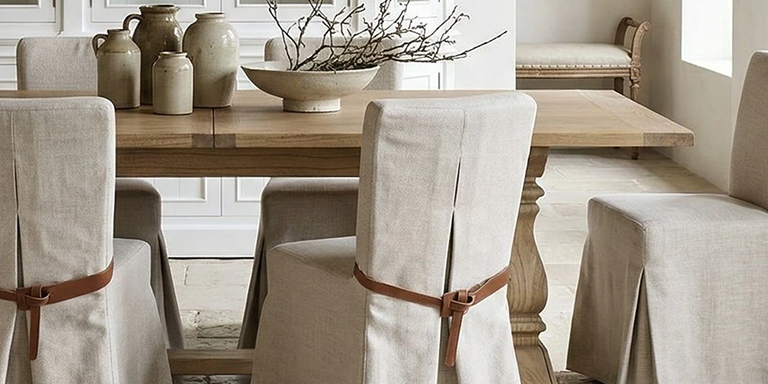
Fabric
Fabric upholstery is soft and comfortable, but needs regular gentle care to prevent dust, stains, and uneven wear.
Do
- Vacuum regularly using a soft brush attachment
- Blot spills immediately with a clean dry cloth
- Rotate cushions where possible to even out wear
Don't
- Rub stains aggressively into the fabric
- Use bleach or harsh chemical cleaners
- Place in prolonged direct sunlight
Keep fabric pieces fresh by removing dust often and treating spills quickly. For deeper marks, use an upholstery-safe cleaner or seek professional advice before applying products.
- Care Routine
- WeeklyVacuum with soft brush attachment
- As neededSpot clean gently after testing first
- SeasonalProfessional clean for heavy-use pieces
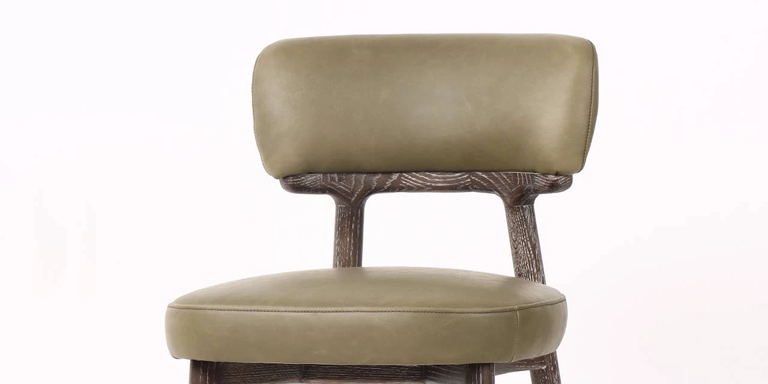
Leather
Leather is durable and develops a unique patina over time, but is sensitive to environment and contact.
Do
- Wipe with a clean, dry cloth
- Clean spills immediately by blotting
- Keep away from strong light and heat
Don't
- Use harsh chemicals or unknown cleaners
- Let oils, creams, or liquids sit on the surface
- Place sharp or rough objects directly on it
Gently dust leather surfaces and wipe with a soft, slightly damp cloth. Keep pieces away from direct sunlight and heat sources, and avoid harsh cleaners that can dry or crack the hide over time.
- Care Routine
- WeeklyDust with soft cloth
- OccasionalUse leather-specific care products
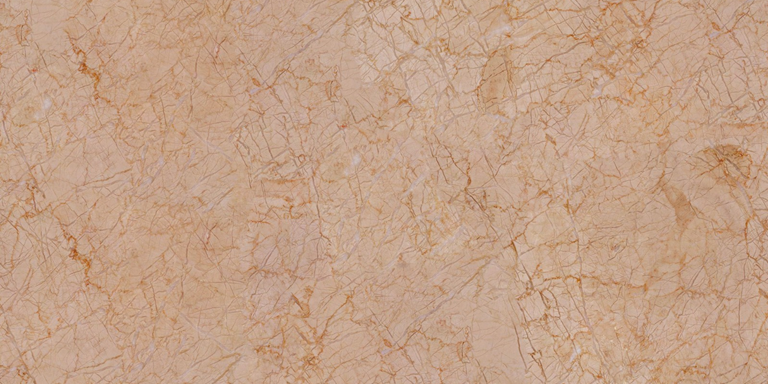
Stone
Stone and marble are naturally porous materials that require careful protection.
Do
- Clean with pH-neutral cleaners
- Wipe spills immediately
- Use coasters and mats
Don't
- Use acidic or harsh cleaning products
- Place items directly without protection
Use a pH-neutral cleaner and a soft cloth on stone and marble surfaces. Wipe spills promptly, avoid acidic substances, and use trivets or coasters to minimise etching and staining.
- Care Routine
- WeeklyWipe dry
- OccasionalReseal with professional help if needed
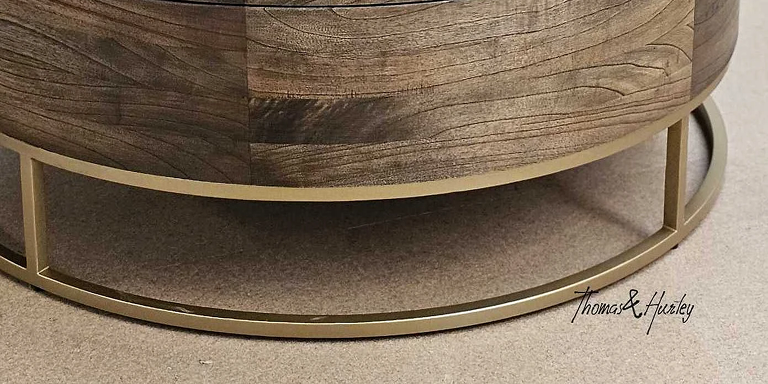
Metal
Metal furniture is durable and industrial, but can develop marks or rust over time.
Do
- Keep surfaces dry
- Clean with a soft cloth
- Use protective pads where needed
Don't
- Use abrasive cloths or cleaners
- Leave moisture sitting on the surface
Dust metal frames regularly and wipe with a soft, damp cloth as needed. Dry thoroughly to prevent water marks, and avoid corrosive cleaners that can damage protective coatings.
- Care Routine
- WeeklyWipe clean and dry
- OccasionalDamp wipe followed by drying
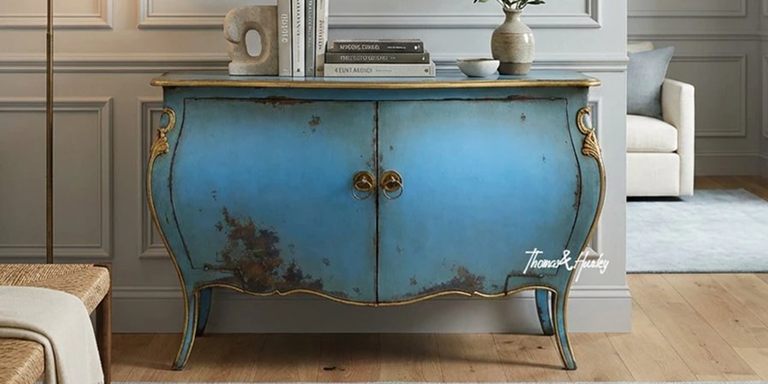
Painted Furniture
Painted finishes offer a clean, refined look, but require gentle care to maintain their surface and avoid marks or wear.
Do
- Dust regularly with a soft cloth or duster
- Clean gently using a pH-neutral cleaner
- Dry surfaces after cleaning
- Use felt pads or protective layers under objects
Don't
- Use abrasive cloths or harsh cleaners
- Expose to excessive heat, cold, or moisture
Clean painted surfaces with a soft, damp cloth and mild, pH-neutral cleaner if needed. Avoid abrasive pads, strong chemicals, and prolonged moisture to protect the finish from chips, peeling, or discolouration.
- Care Routine
- WeeklyLight dusting
- WeeklyGentle wipe with mild cleaner if needed
- As neededCheck surfaces for marks or pressure points
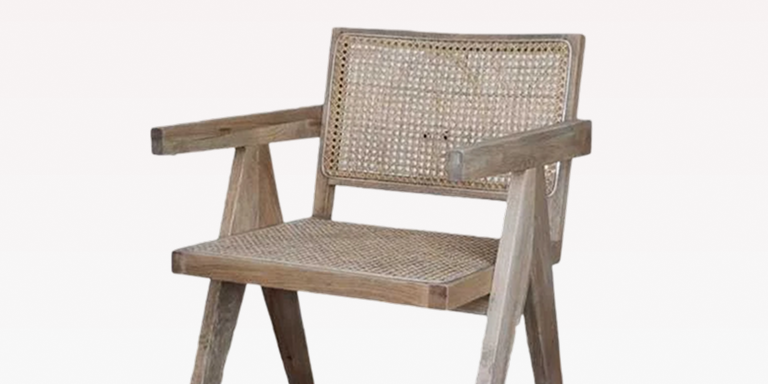
Cane & Rattan
Lightweight and natural, cane and rattan thrive in stable, dry environments.
Do
- Dust regularly with a soft brush or cloth
- Clean gently with mild soapy water when needed
Don't
- Overexpose to moisture
- Leave damp after cleaning
Vacuum cane and rattan with a soft brush attachment and wipe with a lightly damp cloth. Keep away from excessive humidity or direct sunlight to reduce sagging, cracking, or fading in the woven fibres.
- Care Routine
- WeeklyDust or brush
- OccasionalLight spot cleaning
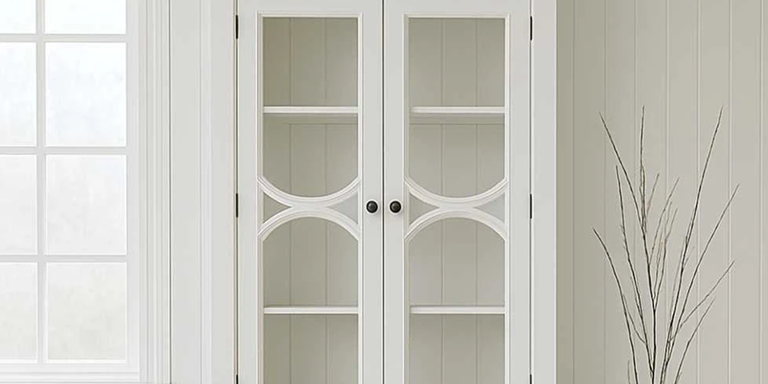
Glass
Glass surfaces are clean and minimal, but require care to prevent marks and scratches.
Do
- Clean with a soft cloth or glass-safe cleaner
- Use coasters and protective pads
Don't
- Place hot or cold items directly on the surface
- Drag objects across the glass
Clean glass with a non-abrasive glass cleaner and a soft cloth, wiping in gentle, circular motions. Avoid abrasive pads or powders that may scratch the surface over time.
- Care Routine
- As neededWipe clean to remove dust and marks